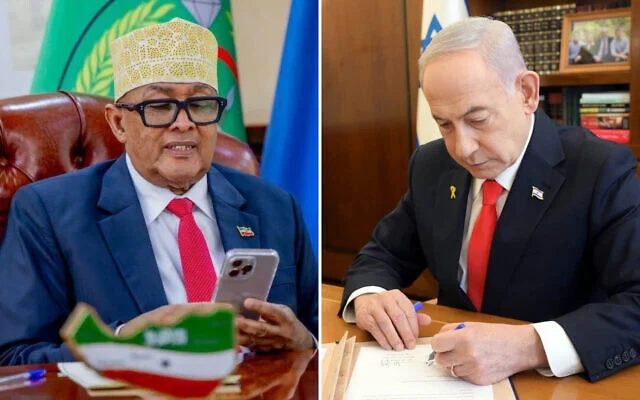
Israel has become the first country to formally recognize Somaliland, delivering a historic but controversial diplomatic breakthrough for the self-declared republic that has sought international legitimacy for more than three decades.
on 26th December 2025: Israeli Prime Minister Benjamin Netanyahu announced on Friday that Israel and Somaliland had signed a joint declaration establishing full diplomatic relations. He described the move as being in the spirit of the US-brokered Abraham Accords, which normalised Israel’s relations with several Arab states.
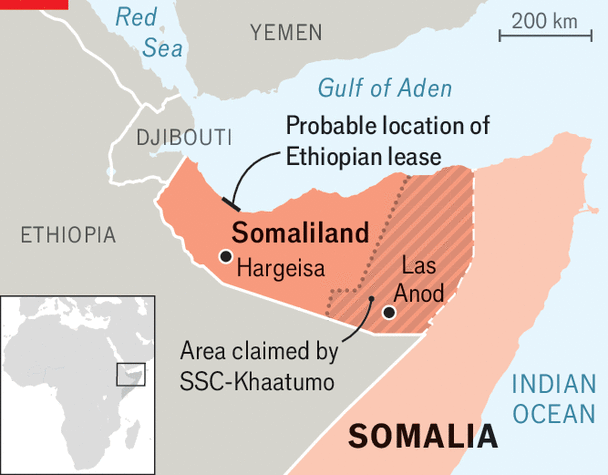
Somaliland declared independence from Somalia in 1991 following the collapse of the Siad Barre regime and a devastating civil war. Despite maintaining its own government, security forces, currency, and regular elections, it has never been recognised by any United Nations member state and is still considered part of Somalia under international law.
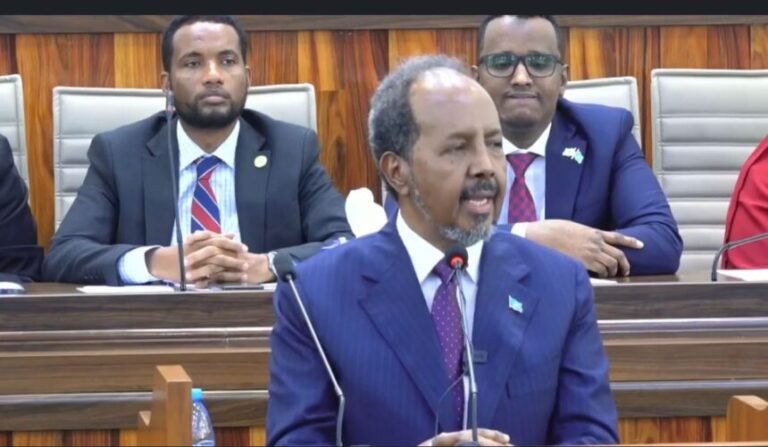
Somalia’s federal government strongly condemned Israel’s decision, calling it an “unlawful action” and an “attack on Somalia’s sovereignty.” Somali government reiterated that Somaliland remains an “inseparable” part of the country. Foreign ministers from Somalia, Egypt, Türkiye, and Djibouti later held consultations reaffirming their support for Somalia’s territorial integrity, warning that recognition of breakaway regions sets a “dangerous precedent” under international law, next by African Union, Saudi Arabia, Kuwait and many Arab countries.
Israeli Foreign Minister Gideon Saar said the agreement followed a year of dialogue and would include the exchange of ambassadors and the opening of embassies. Somaliland leader Abdirahman Mohamed Abdullahi “Cirro” welcomed the move as a “historic moment” and expressed readiness to join the Abraham Accords.
The recognition marks a dramatic shift for Somaliland after decades of diplomatic isolation. However, analysts warn it could inflame regional tensions and embolden separatist movements elsewhere in Somalia, which already operates under a fragile federal system.
While the decision has sparked optimism among some Somalilanders, reactions at home and in the diaspora remain deeply divided, raising questions about whether Israel’s recognition represents a meaningful breakthrough or a costly political gamble.
Analysis by Horn Analysts
Israel’s Recognition of Somaliland: A Breakthrough or a Poison Pill?
At first glance, Israel’s recognition of Somaliland appears historic for some people. After more than 30 years of diplomatic limbo, Somaliland finally has what it has long demanded: recognition. But recognition by whom and at what cost matters as much as recognition itself.
This is not simply a diplomatic win. It is a geopolitical gamble with potentially dangerous consequences.
Recognition Without Power
International recognition is not symbolic charity; it is a gateway. It unlocks access to global markets, multilateral finance, security partnerships, tourism, technology transfer, and legal protections under international law. Recognition from Israel alone delivers very little of this.
Israel cannot grant Somaliland:
- UN membership
- IMF or World Bank access
- Broad international legitimacy
- Protection from diplomatic isolation
Countries such as Kosovo, Northern Cyprus and other countries itself offer sobering lessons. Recognition by Israel has not resolved their legal status, economic constraints, or political isolation. If anything, it has sometimes complicated their diplomatic path.
Recognition that does not translate into multilateral acceptance is recognition without leverage.
Who Is Recognising Whom?
There is also an uncomfortable irony. Israel itself faces sustained criticism at the United Nations for violations of international law, prolonged occupation, genocide and disregard for UN resolutions on Palestine. Its own legitimacy is persistently questioned on the global stage.
So the question arises:
Can a state accused of undermining international law meaningfully legitimize another?
This is not moral grandstanding it is legal reality. In international diplomacy, credibility matters. Recognition from a diplomatically isolated or highly controversial actor often weakens, rather than strengthens, the recipient’s case.
As the saying goes: can beggars choose beggars?
A Transaction, Not a Principle
Israel’s decision does not appear driven by Somaliland’s democratic credentials or historical grievances with Somalia. It is transactional. Somaliland occupies a strategic position near the Bab el-Mandeb strait, a critical maritime chokepoint. Military access, intelligence cooperation, and regional leverage are the real currencies at play.
This transforms Somaliland’s recognition into a strategic asset exchange, not a principled endorsement of self-determination. Horn Analyst team familiar with the matter say Somaliland’s recognition was linked to discussions about hosting displaced Palestinians, an allegation that has raised serious regional and diplomatic concerns.
And transactions always come with a price.
The Somaliland Dilemma: Thirst and Saltwater
For Somalilanders, the emotional pull is understandable. After three decades of knocking on closed doors, any recognition feels like relief. But relief does not always equal survival.
Drinking seawater when dehydrated feels like progress? yes, it is still water. but it accelerates collapsing you rather than helping it.
Recognition from Israel may satisfy symbolic thirst, but it risks:
- Alienating African Union states
- Hardening Somalia’s opposition
- Triggering regional backlash
- Complicating future Western recognition
Instead of opening doors, it may quietly close them.
Mission Failed Successfully?
Yes, Somaliland achieved recognition but possibly in the most damaging way.
This is not victory; it is a high-risk gambit. A move that may win headlines today but undermine long-term legitimacy tomorrow. The mixed reactions among Somalilanders at home and in the diaspora reflect this unease. The celebration is cautious, fractured, and laced with doubt.
The core question remains unanswered:
Is recognition still a win if it leaves you more isolated than before?
Until recognition brings tangible access to global systems not just symbolic applause from controversial allies Somaliland’s long struggle for legitimacy remains unfinished.
History may yet judge this moment not as a breakthrough, but as a warning.Report by: Abdikarim mataan
Senior Political & Security Analyst at HornAnalyst
About the Author