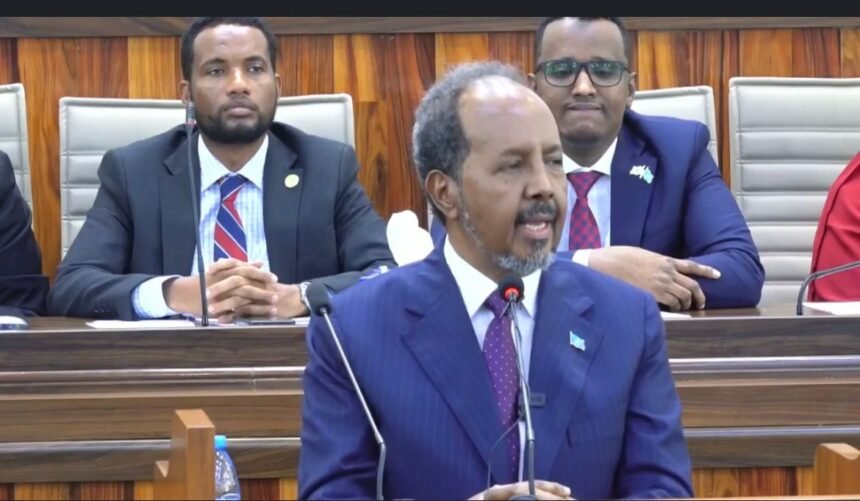
Somalia’s President Hassan Sheikh Mohamud has convened an extraordinary joint session of the Federal Parliament, signaling the gravity of a fast-escalating diplomatic crisis sparked by Israel’s decision to recognise Somaliland as an independent state.
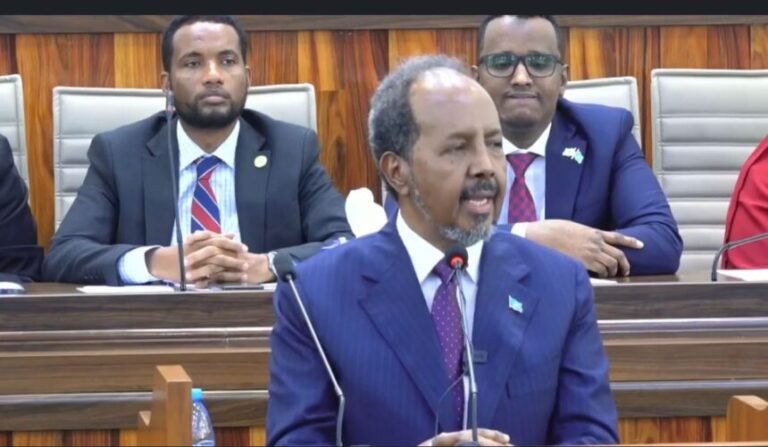
The emergency meeting, scheduled for Sunday, brought together members of both the House of the People and the Upper House in an unusual, non-routine sitting called at short notice. Senior officials say the President used the session to outline Somalia’s official response and rally national consensus against what the government views as a direct assault on the country’s sovereignty and territorial integrity.
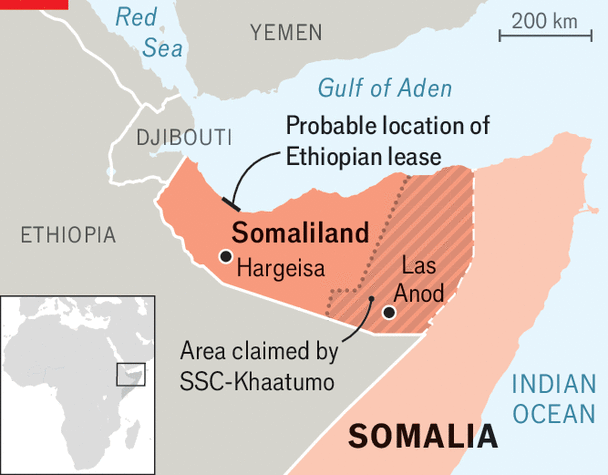
In his address, President Mohamud focused on the far-reaching implications of the recognition, warning that it threatens Somalia’s unity, undermines international law, and risks destabilizing the wider Horn of Africa region. Somaliland, which declared self-independence in 1991 following the collapse of Somalia’s central government, has never been recognised by the international community and is still considered part of Somalia under international law.
The Statement of President Hassan Sheikh
Government sources described Israel’s move as unprecedented and deeply provocative, arguing that it violates long-standing principles that protect the territorial integrity of sovereign states. Somali officials fear the decision could embolden separatist movements elsewhere and weaken global norms that safeguard fragile post-conflict nations.
The emergency parliamentary session comes amid an intense diplomatic push by Mogadishu. Somalia is mobilising support across regional and international platforms, including the United Nations, the African Union, and the Arab League, seeking to block any further recognition of Somaliland and to reaffirm Somalia’s internationally recognised borders. Lawmakers are expected to debate a formal resolution rejecting the recognition and endorsing a coordinated diplomatic and legal response.
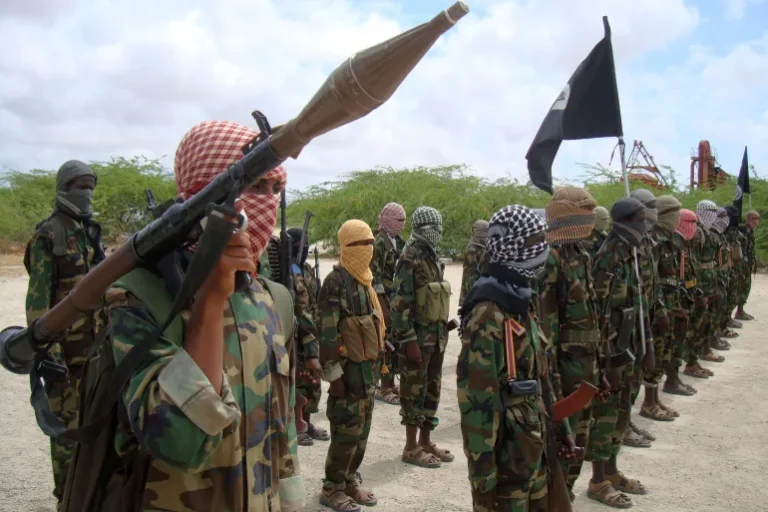
Officials also warn that the timing of the recognition is particularly dangerous, as Somalia continues to battle militant groups and work toward long-term political stability. They argue that external actions which question Somalia’s territorial integrity risk diverting attention and resources from counter-terrorism efforts and state-building priorities. While Israel has defended its decision as part of a broader foreign policy strategy, Somalia’s leadership insists the matter goes beyond bilateral relations, framing it as a test of the international community’s commitment to sovereignty, unity, and regional peace.
As parliament convened, the emergency session sent a strong political message both at home and abroad: that Somalia’s federal institutions stand united in rejecting any attempt to redraw the country’s borders and that Mogadishu is prepared to escalate diplomatic action to defend its territorial integrity.
About the Author